



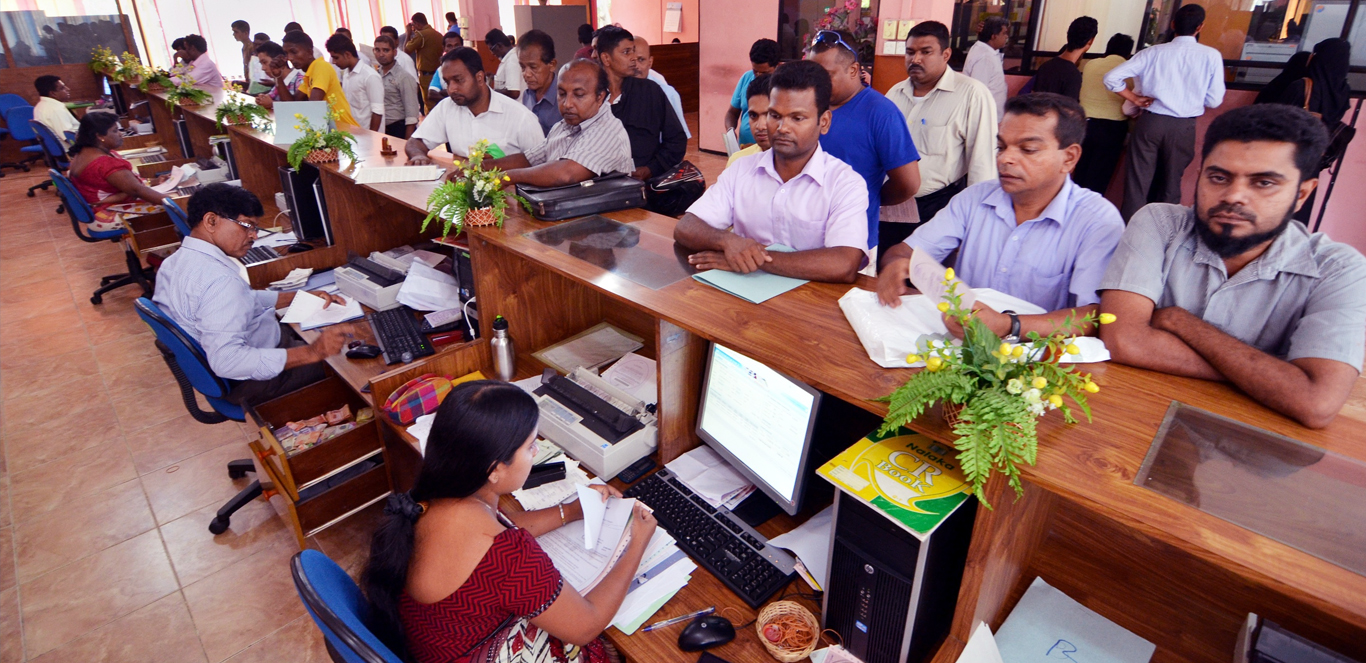
Service Cluster of Divisional Secretariat
Civil Registrations
Issuance of Permits
Issuing of Certificates
Payment of Pensions
Land Administration
Social Welfare and Benefits
Procurements
Development Program
Find the services we provide...
Please check the relevant category, according to requirement. If you unable to find the information you searched, Please contact us.
Contact UsGovernment Service Centers


About Us
Our Vision
To become the inimitable government institute in the local administration process to prosper the livelyhood of the peopel living in Matra Divisional Secretariat division while becoming the highest friend and pioneer of the development drive.Our Mission
To enhance the living standard of people by providing services in accordance with policies, through coordination of resources and by launching efficient, resolute and planned development drive with participation of people.|
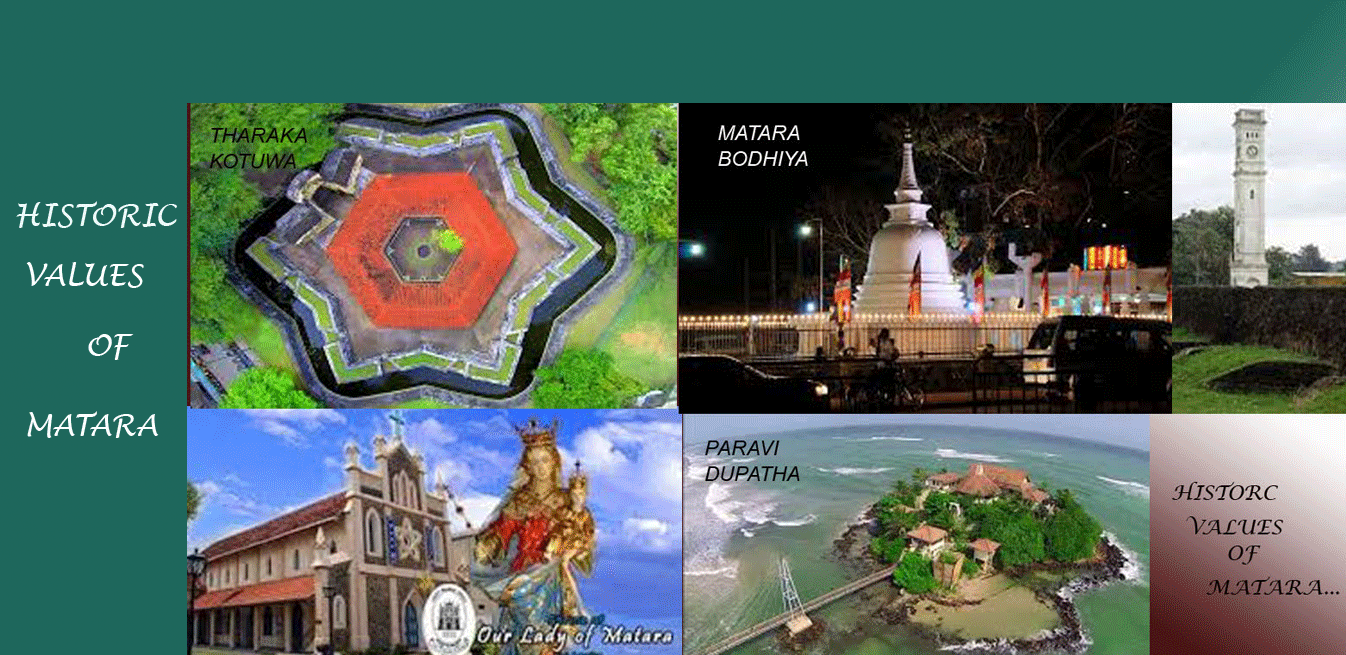
Historical Background Matara City in Southern Province, Ruhuna Region has a proud historical, archeological and cultural heritage. The distinguished reputation of the Matara district in the field of aesthetics related to the arts based on literature is second to none in any other area. Written history of Matara dates back to first century. King Dappula who succeeded to the throne in 508 A. D. and later by Parakumba I, Parakumba II and Parakumba IV as well as Ven. Karathota Sri DhammaramaThero, Bedigama Sri RathnapalaThero, AnagarikaDharmapala, Great Poet Kalidasa, Poetesses like Gajaman Nona and Ranchagoda Lamaya, Sarammudali, Munidasa Kumarathunga are among those who have coloured the literary history of Matara. The Nilwala River, which starts from Buluthota Hell or Rakwana Range flows through the city of Matara. This place is named as “Mahathera” because of the widening area to be crossed near the point where this river joins the sea. Then this place called as “Mahathota” after it was being used for ferry crossings. Scholars believed that the big port which was used to cross the river might be used as “Mahathota”. The word “Mahathota” pronounced in Portuguese as “Mathor”. It is also known as “Mathor” in Dutch and “Matara” in English. In 1672, the Dutch priest, Philippus Baldaeus called Mahathota as “Mathur” and in 1681, Robert Knox called Mathur as “Matara”. Matara has become the common name of the district expanding from the historical port. The history of Matara dating back to the 6th century, says that, at the time of the landing of Aryans in Ceylon, the Naga tribes inhabited the area around Matara. The most recent evidence which prove this is the areas call Naviman, Naotunna, Nakutiyagama. The Matara Division, which owned the nature’s gift of impressive sea beach, is the Administrative and Trade Center in the Matara District. Matara Divisional Secretary’s Division with area of 53.9 k.m. is 0.082% of the total land area of Sri Lanka. It covers about 4.20% of the land area of Matara District and consists of 66 GramaNiladhari divisions, 108 villages, 122,058 population (Census 2018), 27,696 houses and 2804 families. This division has the highest population in the Matara district and it is about 14.2% of the total population. This division is the most densely populated division in the district with an average of 2,109 sqkm and 5,796 sqkm within the Matara Municipal Limits. According to the 2017 Electoral Roll, the number of registered voters is 90,695. Accordingly, the place of the Matara Divisional Secretariat, as an institution that provides services to the large number of people in the Matara district is very important. Matara Divisional Secretariat belongs to two Local Governmental Institutions. Out of which Matara Municipal Council control 12.8km and the Matara Pradeshiya Sabha 41.1 km. 56 Grama Niladhari divisions belong to the Municipal Council, 25 divisions to Pradheshiya Sabha and 05 divisions to both Local Gavernment Institutions. In terms of topography, there is a low lying plain in the Matara Divisional Secretariat. Most of the land area is up to 100 feet above sea level. The Eastern half of the Nilwala River, on the South bank, is hilly up to 100 - 300 feets. The Nilwala river, the main source of water in the area joins the sea from Thotamuna area. The coastline is about 12km long on the Southern border of the Matara division. In addition, 03 main tanks have been identified in thes division. Those are Ellakanda tank which spread over 213 acres, Kumbalgama tank in Wewaihalagoda Grama Niladhari division and Makavita tank in Makavita Grama Niladhari division. Ellakanda Reserve is one of the most important forest area among other forest areas scattered in different areas. The coastal mangrove ecosystem is also a valuable resource to the area. This has also been identified by environmentalists as a fish breeding zone and has been beneficial in providing employment opportunities to the people. In terms of mineral resources, lime stones are found in Walgama and Madiha areas in Matara Divisional Secretariat division, granite from Deeyagaha, Kekanadura, Nawimana and Weragampita areas and clay found in Kumbalgama area. |
Role performed at DS
| Name | From | To |
| Mr. P.A. Jayawardana | 1992-10-04 | 1994-11-30 |
| Mr. G.S. Ediriweera | 1994-12-01 | 1998-04-29 |
| Mrs.U.H. Dayaseeli | 1998-05-19 | 2004-03-03 |
| Mr. T.P. Wanigasinghe | 2004-03-04 | 2005-05-09 |
| Mrs.W.K. Athukorala | 2005-05-10 | 2007-03-25 |
| Mr. T.P. Wanigasinghe | 2007-03-26 | 2011-06-11 |
| Mr. B. Ranaweera | 2011-06-13 | 2014-02-01 |
| Mr. Ranjith Yapa | 2014-01-02 | 2017-04-19 |
| Mr. D.D.K. Wickramaarachchi | 2017-04-20 | 2019-07-31 |
| Mrs. Deepika K. Gunarathne | 2019-09-12 | 2021.09.06 |
| Mrs. K.N. Kaushalya Kumari | 2021-09-17 | 2023.08.16 |
| Mr. Susantha Aththanayake | 2024.01.03 | So far |
Page 2 of 2
News & Events

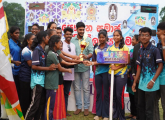
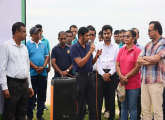
Clean Sri Lanka වැඩසටහන මාතර දිස්ත්රික්කය තුළ ප්රාදේශිය ලේකම් කාර් යාල මට්ටමින් ක්රියාත්මක කිරීමට
Clean Sri Lanka වැඩසටහන මාතර දිස්ත්රික්කය තුළ...


Other Divisional Secretariat Divisions
Main Menu
Reach Us
Matara Divisional Secretariat,
Matara,
Sri Lanka.
+94 332 222 235
info@matara.ds.gov.lk